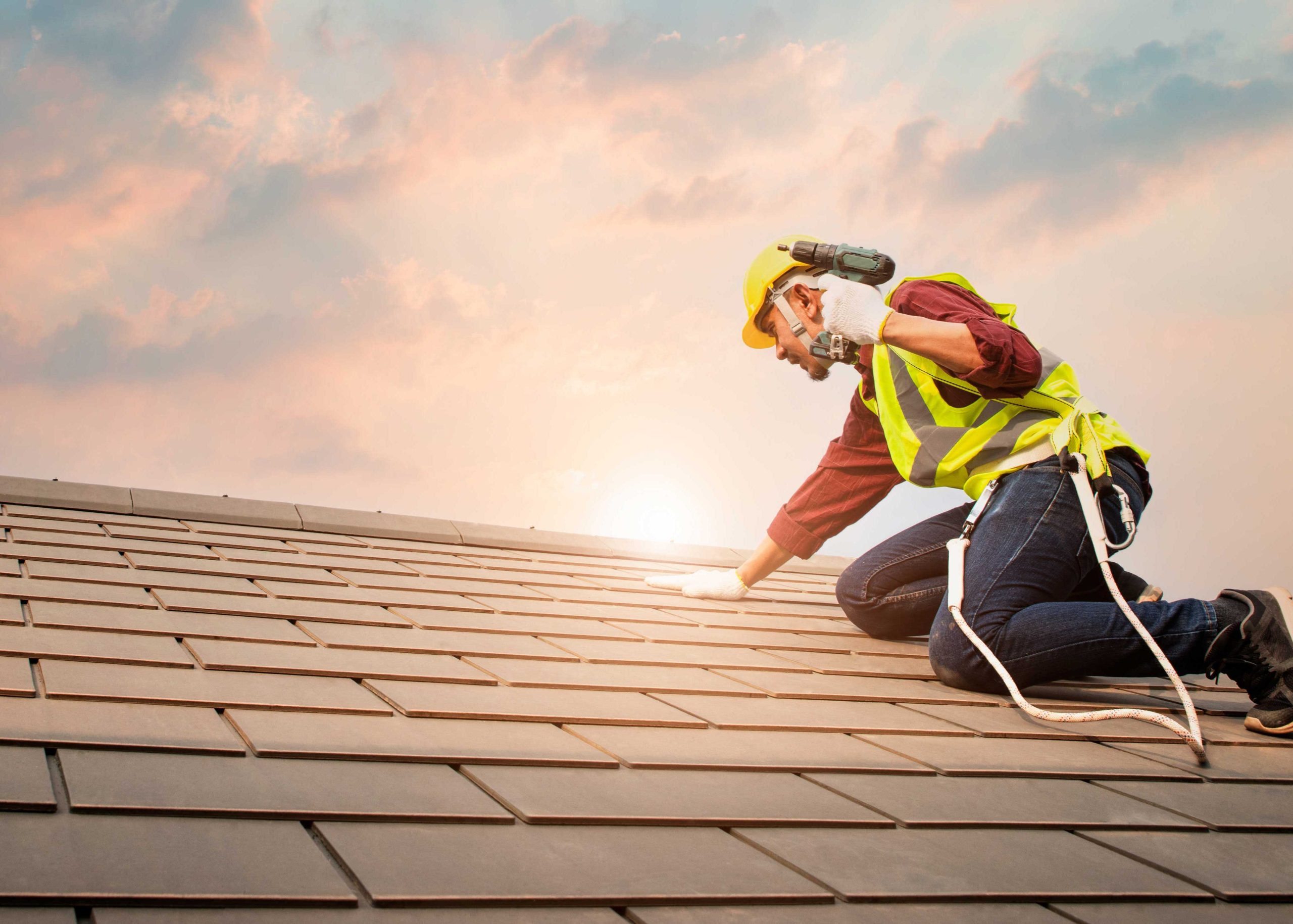
What are the most common types of emergency roof repairs?
Roof repairs are an essential part of home maintenance, as they keep our homes safe and secure. Knowing the different types of emergency roof repairs can help homeowners be prepared for any situation that may arise.
Identifying damage
Once the definition of emergency roof repair is understood, it is important to identify damage that requires an immediate response. Common types of damages include structural defects, water infiltration, and missing or damaged shingles. Structural defects involve any type of compromise to the main structure of the roof such as broken trusses or rafters, sagging beams, faulty flashings, etc. Water infiltration can result from excessive rainfall over a short period of time or long-term exposure to moisture which causes weakened seams between tiles or other materials used in the construction of the roof. Missing or damaged shingles are caused by wind gusts strong enough to tear them away from their secure location or wear and tear on existing roof coverings due to age and weather conditions.
In order for these issues to be properly addressed, homeowners must inspect their roofs regularly so they can detect signs of distress before more serious problems arise. Signs may manifest in leaking ceilings, warped boards around the eaves, discoloration on walls near chimneys and ventilation systems, mold growth on ceiling panels or interior walls near windowsills; all of which necessitate an urgent response from experienced professionals who possess specialized knowledge about proper installation techniques and maintenance requirements for various types of roofs. Identifying damage early will help keep repairs within budget while minimizing disruption caused by large-scale renovation projects that might otherwise have been necessary had action not been taken sooner.
Assessment of the situation
The assessment of an emergency roof repair situation is essential to determine the most appropriate course of action. The first step in assessing a roofing problem is to identify the source of the issue, such as a leak or structural damage. This can be done by visually inspecting the roof and looking for signs of wear and tear or other potential problems. After identifying the cause, it is important to assess any safety risks involved with making repairs, especially if working at height is necessary. It may also be beneficial to consider whether a temporary solution might suffice while waiting for more permanent repairs.
Once these factors have been taken into consideration, it is time to move onto determining which type of repair would be best suited for the particular issue at hand. Common types of emergency roof repairs include patchwork on shingle roofs; sealing around vents, chimneys, and skylights; installing flashing along edges; and even removing trees that may have fallen onto the home’s roof. Depending on how severe the damage is, some homeowners may opt to hire professional help rather than trying DIY methods when dealing with an emergency roof repair situation.
Preparing for repairs
Before any roof repair can take place, it is important to ensure that the area is properly prepared. This includes checking the surrounding areas for potential hazards such as tree branches and power lines. It may also be necessary to remove any debris or vegetation in order to provide a safe working environment. In addition, it is essential to assess the condition of the existing roof structure. Any worn out shingles should be repaired or replaced prior to beginning repairs on other parts of the roof.
Once these steps are completed, it will then be possible to proceed with making emergency repairs. Depending on the type of damage sustained, different types of materials may need to be used for repairing specific sections of a roof. For example, if there has been significant water damage, special waterproof membranes may need to be applied in order to prevent further leaks from occurring. Furthermore, when dealing with broken tiles or shingles, new ones must be put into place before applying sealants or adhesive products in order to effectively restore the integrity of the roof’s surface layer.
It is also important to select high-quality materials that are specially designed for use in outdoor environments where temperatures and weather conditions often fluctuate drastically throughout the year. By taking all these factors into consideration during preparation stages, individuals can increase their chances of successfully completing an emergency roof repair job without incurring additional costs due unexpected complications later down the line.
Choosing a repair method
The preparation for a roof repair is complete, so the next step is to choose an appropriate method. Depending on the severity of the damage and the type of material used in constructing the roof, different methods may be best suited for emergency repairs. The most common types are patching, tarping, and flashing replacement.
Patching involves making small-scale repairs by replacing damaged or missing shingles with new ones that match existing materials. This option can often be done without removing any of the old roof surface. It is an effective way to make minor repairs quickly while not damaging surrounding areas of the roof.
Tarping is another popular choice when it comes to emergency roof repairs. This involves covering parts of the roof with heavy duty tarps which protect against further water damage caused by rain or snow until more substantial repairs can be made. Tarps should be securely fastened and tightly sealed around edges and corners to prevent them from blowing away during high winds or storms.
Flashing replacement is often necessary after severe weather events such as hail, wind, or hurricanes have damaged portions of a home’s exterior walls and/or its roof structure. Flashing helps to keep moisture out from under eaves, around chimneys, and at other vulnerable points on a home's exterior wall surfaces by providing an additional layer between these locations and outside elements like rainwater or melting snow. Replacing broken flashing quickly will help minimize potential long-term damages due to leaking roofs or compromised structural integrity from frozen ice dams forming behind affected sections of siding or trim boards.
If you're looking for emergency roof repair that can restore or replace your roof with professional service and quality materials, we've got your covered. Get in touch with our experts today.